
 (412) 854-2310
Preventive Dentistry in Pittsburgh
Creates Problem-Free Smiles
Dr. Dan Rairigh and our team like to put most of our energy in prevention, because avoiding a cavity is much better for your smile’s long-term health and appearance than simply fixing it later. This why we are happy to offer checkups and cleanings in addition to many other services that can stop many dental problems before they even start. We recommend coming to see us at least twice a year to keep your smile happy and healthy. To schedule an appointment, please contact us today.
Checkups & Cleanings

When it comes to stopping tooth decay, cavities, gum disease, and other common dental problems in their tracks, nothing works better than a checkup and cleaning. Just two of these every year can make a huge difference for your overall oral health over time, and typically, these appointments take less than an hour.
One of our hygienists will systematically remove all of the plaque and tartar that has accumulated on your gums. They’ll specifically target the areas of your mouth that you can’t clean at home and then finish the visit with a nice teeth polishing so that you leave with your teeth feeling porcelain-smooth!
During a checkup (also known as an oral exam), Dr. Rairigh will examine each of your teeth, your gums, the jaw, and any existing dental work to try and identify the earliest sign of a problem. If he catches an issue, he will share his recommendations to treat the concern before it grows into a large problem.
Learn More About Dental Checkups and Cleanings
Periodontal Therapy

Periodontal therapy is a collection of treatments designed to help patients who are dealing with periodontal disease. What is periodontal disease? It is actually a bacterial infection of the gums, the roots of the teeth, and the bone that supports it. It is more commonly called gum disease, and it is actually the most prevalent dental problem in the entire world. Early symptoms include red, swollen gums that bleed easily, but left untreated, it can often lead to tooth loss!
This is why our team will screen your gums whenever you come to see us. If we see signs of an infection, we can quickly perform a deep cleaning to control it. This will remove all the bacteria around your gum line as well as slightly reshape the roots of your teeth to make re-infection less likely. We can then follow this treatment up with antibiotic therapy to completely eliminate the infection as well as offer treatments to reverse gum recession.
Learn More about Periodontal Therapy
Night Guards for Bruxism

Research has shown that as many as 1 in 3 people currently suffer from bruxism, which is a condition where a person clenches and grinds their teeth while they sleep. This can severely wear down the enamel, making the teeth more sensitive and brittle until they finally break. If you are currently dealing with bruxism, we recommend that you wear what is called a “Night Guard” to bed. It is a custom-made mouthpiece that will place a protective barrier between your teeth so you can rest easy.
Oral Cancer Screening

Oral cancer is an often fatal disease that is actually very treatable when detected early, which is why Dr. Rairigh recommends that every adult should have at least one oral cancer screening per year. He can perform one as part of your regular checkups, during which he’ll examine your lips, gums, tongue, cheeks, throat, neck, and face for any signs of the disease. Should he find something, he can help you quickly get follow-up treatment.
Learn More About Oral Cancer Screening
Fluoride Treatment
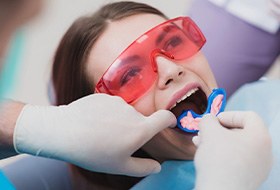
You might think your teeth are perfectly healthy if you haven’t noticed obvious issues, like visible cavities, but that’s not always the case. For example, neglecting oral hygiene or eating too many sugary or acidic foods can strip your enamel of nutrients, increasing your risk of developing dental damage or decay. Unfortunately, these issues typically worsen the longer they remain unaddressed.
Our team offers topical fluoride treatments to strengthen your teeth and help you avoid potential problems. Continue reading to learn more about this routine preventive service and when it might be recommended!
What Is Fluoride?
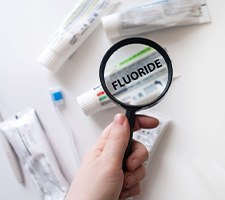
You might think that fluoride is a man-made substance, but it’s actually a naturally occurring mineral found in different sources of water, like rain, creeks, or lakes, and therefore also commonly detected in soil and growing vegetation. It’s also often added to public drinking water supplies and dental products, such as toothpaste and mouthwash, to help strengthen smiles.
Fluoride can cause indigestion or stomachaches if you swallow large amounts, but thankfully, drinking water and dental products include only a small, safe dose to help prevent oral issues.
How Does Fluoride Treatment Work?

This service typically involves applying fluoride, usually as a topical gel, varnish, or foam, either directly to your teeth or in applicator trays that are then placed over your arches. It’s left in place for several minutes to allow the active ingredients to take effect, and we may also ask that you avoid eating or drinking anything for about 30 to 60 minutes for optimal outcomes.
Topical fluoride strengthens your enamel by pulling essential nutrients, like calcium and phosphate, from your saliva and incorporating them into the protective outer layer of your teeth. This strengthens your teeth to help prevent and sometimes reverse the earliest stages of tooth decay.
Who Benefits from Fluoride Treatment?
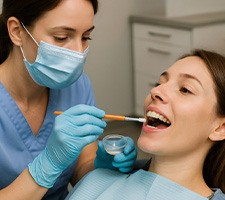
Children often receive fluoride treatments to protect their still-developing smiles, so it often comes in palatable flavors that appeal to kids. However, it’s also beneficial for adults, and might be offered as a standard preventive measure following a routine checkup and cleaning.
It can also be used as a standalone solution for people with mobility challenges or other medical conditions, such as diabetes, that make it harder to maintain a consistent at-home dental hygiene routine and keep teeth and gums healthy. It can also address sensitivity from thinning enamel, improving comfort while helping prevent cavities.